
Ready-mix concrete operations are essential for meeting the growing demand for high-quality, consistent concrete in construction projects. One of the most effective ways to ensure efficiency, scalability, and consistent output is through the integration of a stationary concrete batching plant into your production workflow. Whether you are supplementing existing infrastructure or establishing a new operation, proper integration can maximize productivity, reduce costs, and maintain concrete quality. Additionally, understanding complementary options like a mobile concrete batch plant, exploring types of batching plant, and evaluating concrete mixing plant for sale can help tailor the operation to specific project needs.
Understanding the Role of Stationary Concrete Batching Plants
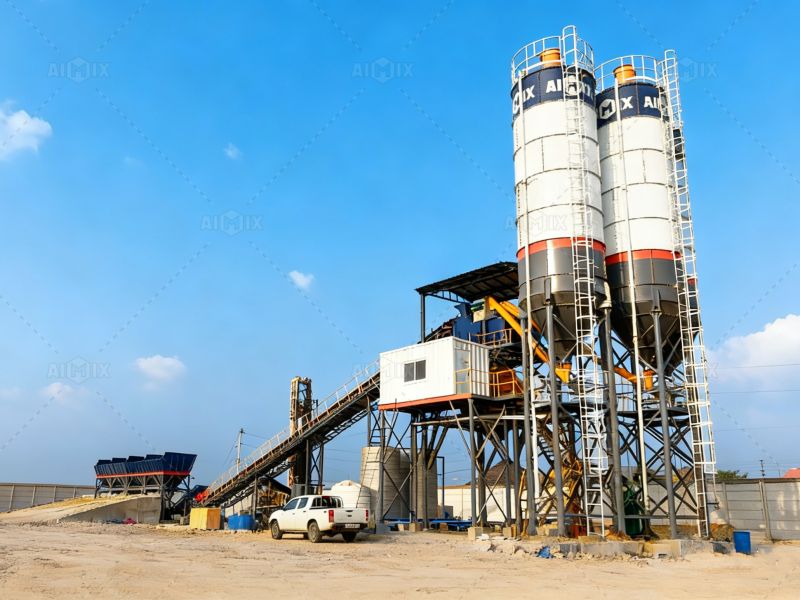
Stationary concrete batching plants are fixed installations designed to produce large volumes of concrete with consistent quality. Unlike mobile plants, these systems are installed on a permanent site, making them ideal for large-scale projects such as highways, bridges, and high-rise construction.
Integrating a stationary plant into ready-mix operations ensures a centralized production hub. The benefits include:
-
Consistent Concrete Quality: Precise control over aggregate, cement, water, and admixtures ensures uniform concrete mixes.
-
Higher Production Capacity: Stationary plants can handle higher volumes than mobile units, supporting bulk deliveries for multiple construction sites.
-
Enhanced Automation: Many modern stationary plants incorporate digital control systems, real-time monitoring, and automated dosing for improved efficiency.
For contractors considering a concrete mixing plant for sale, stationary plants offer long-term value due to their scalability, durability, and ability to support high-demand operations.
Assessing Your Existing Operations and Workflow
Before integrating a stationary concrete batching plant, it’s crucial to evaluate current ready-mix operations. Key considerations include:
-
Production Needs: Determine the daily concrete volume required and peak demand periods. This will help select the right plant capacity and avoid underutilization or bottlenecks.
-
Logistics and Layout: Assess how aggregates, cement, and water will be delivered and stored. Proper planning minimizes material handling time and ensures a smooth flow from batching to truck loading.
-
Supplementary Equipment: Identify whether a mobile concrete batch plant is already in use or will be added to support flexible delivery locations. Mobile plants complement stationary units by reaching sites with limited accessibility or temporary projects.
Integrating both stationary and mobile plants can create a hybrid production system, providing flexibility and resilience while maintaining centralized quality control.
Selecting the Right Type of Batching Plant
Understanding the types of batching plant available is critical for integration. The main types include:
-
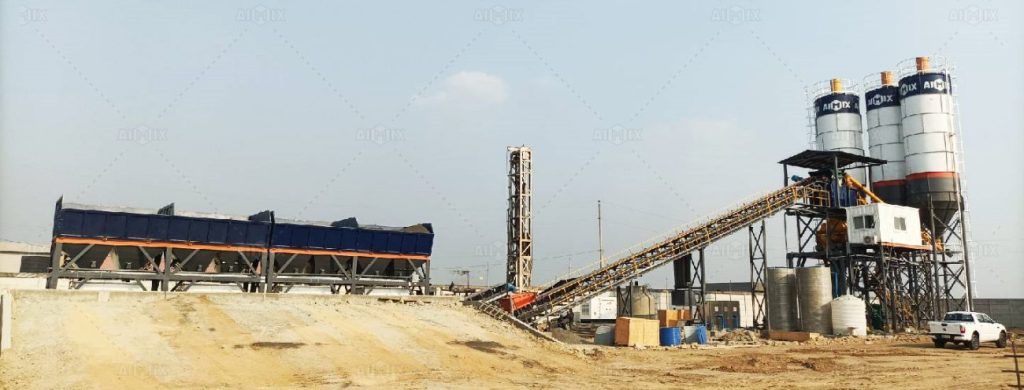
Ready-Mix (Central Mix) Plants: Concrete is mixed at the plant before being loaded into transit mixers. Ideal for large-scale projects requiring high-quality, uniform mixes.
-
Transit-Mix (Truck Mix) Plants: Ingredients are loaded into the truck and mixed en route to the site. This method is flexible for smaller projects or when on-site mixing is needed.
-
Modular or Compact Plants: Smaller footprint plants suitable for urban areas or space-constrained sites.
Selecting the appropriate type depends on factors such as project size, delivery distance, and local construction requirements. When considering a concrete mixing plant for sale, it’s important to match plant type with operational objectives, production volume, and budget constraints.
Implementing Integration Strategies
Successful integration of a stationary plant into ready-mix operations involves careful planning of workflows, communication, and technology adoption. Key strategies include:
-
Digital Monitoring and Control: Implementing automated control systems allows operators to manage multiple batching processes simultaneously. Real-time data on material levels, mix ratios, and production rates ensures high consistency and minimizes errors.
-
Scheduling and Dispatch: Coordination between the stationary plant and delivery fleet optimizes truck loading, delivery timing, and route planning. Integrating software solutions can streamline logistics and reduce wait times.
-
Material Management: Efficient handling of cement, aggregates, and water is essential. Centralized storage and optimized conveyance systems reduce material waste and production delays.
By combining these strategies, a stationary plant can operate seamlessly alongside existing mobile units, ensuring uninterrupted concrete supply across multiple sites.
Training, Maintenance, and Quality Assurance
Integration is not just about equipment; it also requires proper staffing, training, and quality control. Operators must be trained to handle automated controls, monitor concrete quality, and manage safety protocols. Regular preventive maintenance ensures the stationary plant runs efficiently and reduces the risk of downtime.
Quality assurance is another critical aspect. Modern plants include sensors and monitoring systems that track moisture content, aggregate grading, and batch consistency. These systems provide data for continuous improvement and help maintain compliance with local construction standards.
By investing in operator training and quality monitoring, contractors can ensure that the stationary concrete batching plant delivers consistent, high-quality concrete while supporting long-term operational efficiency.
Evaluating Options for Expansion and Future Growth
A well-integrated stationary plant provides a foundation for scaling operations. Contractors can plan for future expansion by:
-
Adding additional mobile concrete batch plant units for new sites.
-
Upgrading automation systems to handle higher production volumes.
-
Diversifying concrete mix options to meet specialized project requirements.
For contractors exploring concrete mixing plant for sale, planning for future growth ensures the investment remains valuable and adaptable as project demands increase.
Conclusion
Integrating a stationary concrete batching plant into ready-mix concrete operations improves production capacity, consistency, and operational efficiency. By evaluating current workflows, selecting the appropriate plant type, implementing digital controls, and coordinating logistics, contractors can achieve a seamless production system. Complementing stationary plants with a mobile concrete batch plant adds flexibility for on-site projects, while understanding types of batching plant and considering a concrete mixing plant for sale ensures informed investment decisions. With proper planning and integration, stationary concrete batching plants can serve as the backbone of a high-performing ready-mix concrete operation.