
The construction landscape of Dubai has undergone a remarkable transformation, driven by ambitious architectural projects and a relentless pursuit of engineering excellence. Central to this evolution is the adoption of line pump concrete technology, which has fundamentally reshaped project execution methodologies and quality standards. This advanced concrete placement method utilizes high-pressure pumps to convey concrete through pipelines over significant distances, enabling precise placement in complex structural elements and hard-to-reach locations. The technology’s ability to maintain concrete integrity during transport while ensuring consistent quality has made it an indispensable tool for Dubai’s iconic high-rise developments, intricate infrastructure projects, and large-scale commercial constructions. The integration of line pump concrete systems represents a paradigm shift from traditional placement methods, offering unprecedented efficiency, precision, and reliability in meeting the demanding requirements of modern construction in one of the world’s most dynamic urban environments.
Technical Advancements and Operational Capabilities
Line pump concrete systems have evolved into sophisticated technological solutions that address the unique challenges of Dubai’s construction environment. Modern concrete line pumps incorporate high-pressure hydraulic systems capable of generating pressures exceeding 150 bar, enabling vertical concrete placement in skyscrapers reaching heights of 300 meters or more. The systems feature advanced control interfaces that allow operators to precisely regulate concrete flow rates and pressure, ensuring optimal placement conditions for different structural elements. The integration of automated pressure monitoring and surge suppression systems maintains consistent concrete flow, preventing segregation and ensuring uniform consolidation. These technical capabilities are particularly valuable in Dubai’s high-rise construction, where maintaining concrete quality during vertical pumping to extreme heights is essential for structural integrity and long-term durability.
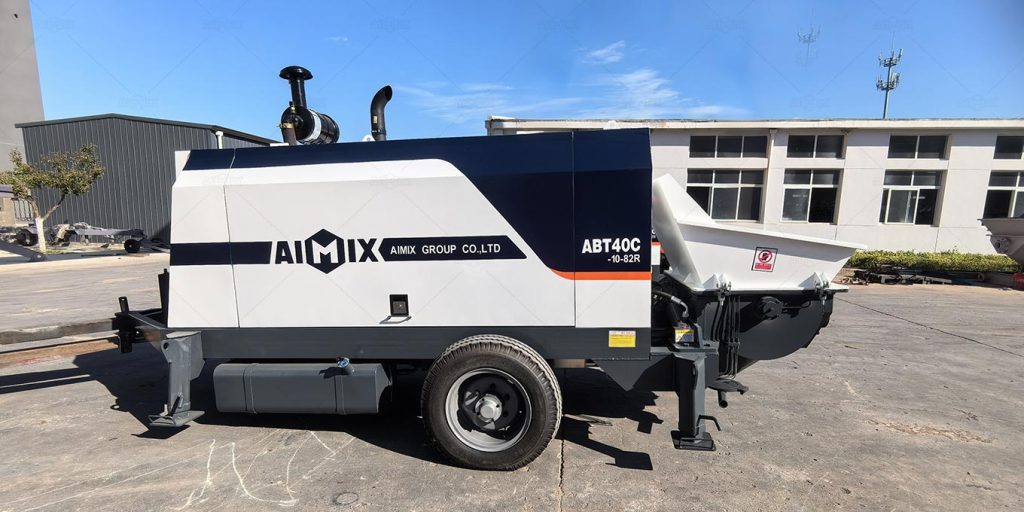
The operational flexibility of line pump systems extends beyond high-rise applications to encompass a wide range of construction scenarios. Track-mounted line pumps can navigate complex site terrain, reaching locations inaccessible to traditional concrete delivery methods. The modular pipeline systems can be configured to navigate obstacles, change directions, and extend to precise placement locations with minimal disruption to ongoing construction activities. This adaptability makes stationary concrete pumps ideal for projects with complex geometries, restricted access, or phased construction sequences. The ability to place concrete with precision in confined spaces, such as densely reinforced structural elements or intricate architectural features, has become a critical capability for meeting the design complexity of Dubai’s landmark projects. These technical and operational advantages have established line pump concrete as the preferred placement method for projects where precision, efficiency, and quality control are paramount.
Quality Assurance and Performance Standards
The implementation of line pump concrete technology has elevated quality standards across Dubai’s construction industry through enhanced control over concrete placement and consolidation. The continuous flow of concrete achieved through line pumping minimizes cold joints and ensures uniform density throughout structural elements, significantly improving structural performance. Advanced line pump systems incorporate real-time monitoring of concrete pressure and flow rates, enabling immediate adjustment of pumping parameters to maintain optimal concrete consistency. This level of control is particularly important for high-performance concrete mixes used in Dubai’s demanding environmental conditions, where consistent quality is essential for durability and longevity. The precise placement capability reduces material waste and improves surface finish quality, contributing to higher standards of workmanship and reducing the need for remedial work.
Line pump technology has also driven advancements in concrete mix design to optimize pumpability and performance. Concrete formulations for pumping applications incorporate specific admixtures and optimized aggregate gradations to ensure smooth flow through pipelines while maintaining stability. The development of these specialized mixes has improved concrete performance characteristics, including higher strength, enhanced durability, and reduced permeability. The rigorous quality control required for pumpable concrete has established new benchmarks for material testing and certification, with comprehensive testing protocols for slump retention, flow characteristics, and pressure stability. This focus on material quality and performance has raised industry standards, resulting in more durable and reliable concrete structures throughout Dubai’s built environment. The synergy between advanced pumping technology and optimized concrete formulations represents a significant advancement in construction quality management.
Economic Impact and Project Efficiency
The economic benefits of line pump concrete technology extend across the project lifecycle, from construction execution to long-term operational efficiency. The increased placement speed achieved with line pumps can reduce concrete placement time by 40-60% compared to traditional methods, resulting in significant labor cost savings and accelerated project schedules. The ability to place concrete in large continuous pours minimizes construction joints, reducing the time and cost associated with joint preparation and treatment. The precise control over concrete placement reduces material waste, with typical waste reduction of 5-10% compared to alternative placement methods. These efficiency gains are particularly valuable in Dubai’s fast-paced construction market, where project timelines are aggressive and cost control is essential for project viability.
The long-term economic benefits of line pump concrete technology are equally significant, though less immediately apparent. The improved concrete quality and consolidation achieved through pumping enhance structural durability, reducing maintenance requirements and extending service life. The reduction in construction joints improves water tightness and reduces the risk of corrosion in reinforced concrete structures, particularly important in Dubai’s coastal environment. The ability to construct more complex and efficient structural designs, enabled by the precision of line pump placement, can result in material savings and improved building performance. The economic advantages of line pump concrete extend beyond direct construction costs to encompass the entire lifecycle value of constructed facilities, making it a strategically valuable technology for developers and asset owners focused on long-term value creation. This comprehensive economic benefit has contributed to the widespread adoption of line pump technology across Dubai’s construction sector.
Market Adoption and Industry Transformation
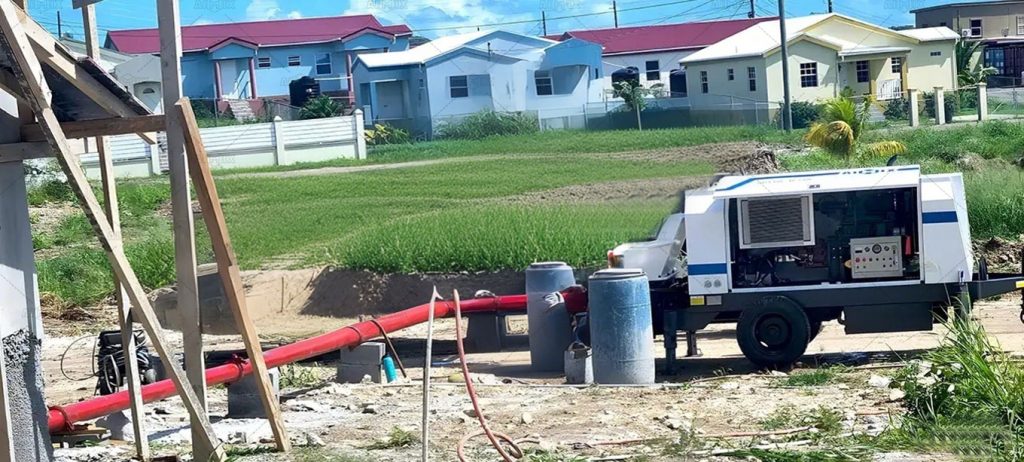
The adoption of line pump concrete technology has transformed construction practices across Dubai’s diverse project portfolio, from mega high-rise developments to complex infrastructure projects. The technology’s ability to address the specific challenges of high-rise construction, including vertical material transport and precise placement at height, has made it essential for Dubai’s iconic skyscrapers. The flexibility of line pump systems has enabled efficient concrete placement in complex infrastructure projects, such as the Dubai Metro expansion and major highway interchanges, where traditional placement methods would be impractical or impossible. The technology’s precision and efficiency have also made it the preferred choice for high-value commercial and residential developments, where quality and schedule adherence are critical to project success. This broad market adoption has established concrete trailer pump as a standard technology for major construction projects in Dubai, driving continuous innovation and improvement in equipment capabilities and application techniques.
The widespread adoption of line pump technology has catalyzed broader changes in Dubai’s construction industry, influencing project planning, equipment investment, and workforce development. Project schedules are now routinely developed with the assumption of line pump concrete placement, reflecting the technology’s fundamental role in modern construction methodologies. The capital investment in line pump equipment has created a specialized equipment sector, with companies investing in advanced pumping systems and developing expertise in their application. This has led to the development of a skilled workforce specializing in concrete pumping operations, with training programs and certification standards evolving to ensure safe and effective technology application. The industry transformation driven by line pump technology extends beyond equipment and methods to encompass new approaches to project delivery, collaboration, and quality management, fundamentally changing how construction projects are conceived and executed in Dubai.
Regulatory Framework and Safety Standards
The rapid adoption of line pump concrete technology in Dubai has been supported by the development of a comprehensive regulatory framework and safety standards. The Dubai Municipality has established specific requirements for concrete pumping operations, including equipment certification, operator qualifications, and site safety protocols. These regulations address the unique safety considerations of high-pressure concrete pumping, including pipeline integrity, pressure management, and emergency procedures. The regulatory framework also includes quality assurance requirements for pumpable concrete, with standardized testing protocols for slump retention, flow characteristics, and pressure stability. This regulatory oversight has been essential for ensuring the safe and effective application of line pump technology across Dubai’s diverse construction projects, providing a foundation for continued technology adoption and innovation.
Safety standards for line pump operations have evolved in parallel with technological advancements, incorporating lessons learned from project experience and international best practices. Modern safety protocols include comprehensive risk assessments for each pumping application, addressing site-specific hazards and establishing appropriate control measures. Equipment safety features have been enhanced, with improved emergency stop systems, pressure relief mechanisms, and pipeline connection designs that minimize the risk of accidental disconnection. Operator training and certification programs have been developed to ensure that personnel have the knowledge and skills required to operate line pump equipment safely and effectively. The continuous improvement of safety standards and practices has been essential for maintaining the excellent safety record of line pump operations in Dubai, supporting the technology’s widespread adoption and establishing a benchmark for safe construction practices in high-pressure concrete placement applications.
Future Trends and Technological Evolution
The future development of line pump concrete technology in Dubai is likely to be shaped by several key trends, including increased automation, enhanced connectivity, and greater integration with digital construction methodologies. The integration of automation technologies, such as robotic pipeline manipulation and automated pressure control, will further improve placement precision and reduce operator workload. Enhanced connectivity through Internet of Things (IoT) technology will enable real-time monitoring of equipment performance and concrete quality, facilitating predictive maintenance and optimizing operational efficiency. The integration of line pump systems with Building Information Modeling (BIM) will enable more precise planning of concrete placement sequences and improve coordination with other construction activities. These technological advancements will continue to enhance the efficiency, precision, and reliability of line pump concrete placement, further solidifying its role as a fundamental technology for modern construction in Dubai.
Sustainability considerations are also likely to influence the future evolution of line pump concrete technology. The development of more energy-efficient pumping systems, utilizing advanced hydraulics and electric power options, will reduce the environmental impact of concrete placement operations. The optimization of concrete mix designs for pumping efficiency can reduce material consumption and waste, contributing to more sustainable construction practices. The integration of line pump technology with concrete recycling systems will enable more efficient management of concrete waste, further enhancing the sustainability of construction operations. These sustainability-focused innovations will align line pump technology with Dubai’s broader sustainability goals, including the Dubai Clean Energy Strategy and the UAE’s commitment to sustainable development. The continued evolution of line pump concrete technology will ensure its continued relevance and value in shaping Dubai’s built environment for years to come.
Strategic Importance and Long-Term Impact
The strategic importance of line pump concrete technology extends beyond individual projects to encompass Dubai’s broader urban development objectives. The technology’s ability to accelerate construction timelines and improve quality supports Dubai’s ambition to maintain its position as a global leader in urban development and architectural innovation. The efficiency gains achieved through line pump concrete placement contribute to the economic viability of large-scale development projects, enabling more ambitious and complex urban environments. The technology’s precision and reliability support the construction of high-performance buildings and infrastructure, enhancing Dubai’s competitiveness as a global business and tourism destination. The strategic value of line pump concrete technology is reflected in its ubiquitous presence across Dubai’s major development projects, where it has become an essential enabler of the city’s continued growth and transformation.
The long-term impact of line pump concrete technology on Dubai’s construction industry is profound, influencing project delivery methodologies, industry capabilities, and quality standards. The technology has established new benchmarks for construction efficiency and quality, raising industry expectations and driving continuous improvement across all aspects of project delivery. The specialized expertise developed through the application of concrete mobile pump technology has enhanced Dubai’s construction industry capabilities, creating a competitive advantage in the execution of complex and demanding projects. The technology’s role in enabling the construction of Dubai’s iconic structures has contributed to the city’s global reputation for architectural excellence and engineering innovation. The long-term impact of line pump concrete technology is evident throughout Dubai’s built environment, where it has played a fundamental role in shaping one of the world’s most dynamic and innovative urban landscapes.
Comparative Analysis with Alternative Methods
A comparative analysis of line pump concrete technology with alternative placement methods highlights the unique advantages that have driven its widespread adoption in Dubai. Traditional crane-and-bucket methods, while suitable for small-scale projects, cannot match the efficiency, precision, and reach of line pump systems for large or complex placements. Stationary concrete pumps offer similar placement capabilities but lack the mobility and site adaptability of line pump systems, making them less suitable for projects with complex site logistics or multiple placement locations. The ability of line pumps to navigate site constraints, adapt to changing project requirements, and maintain consistent concrete quality over long distances and heights provides a compelling advantage over alternative methods. This comparative advantage is particularly pronounced in Dubai’s construction environment, characterized by large-scale projects, aggressive schedules, and complex design requirements.
The economic comparison of line pump technology with alternative methods must consider both direct costs and broader project impacts. While the direct equipment costs of line pump placement may be higher than traditional methods, the overall project savings achieved through increased efficiency, reduced labor requirements, and accelerated schedules typically result in a lower total project cost. The quality advantages of line pump placement, including improved consolidation and reduced construction joints, provide additional value through enhanced structural performance and reduced long-term maintenance requirements. The flexibility of line pump systems to adapt to changing project conditions and requirements provides further economic value by reducing the need for equipment changes or additional mobilization. This comprehensive economic analysis demonstrates the clear advantage of line pump technology for projects where efficiency, quality, and schedule adherence are critical success factors, explaining its dominant position in Dubai’s construction market.
Case Studies and Project Applications
Numerous landmark projects in Dubai demonstrate the transformative impact of line pump concrete technology on construction methodology and project outcomes. The construction of the Burj Khalifa, the world’s tallest building, required concrete placement at unprecedented heights, with line pump technology enabling precise placement at elevations exceeding 600 meters. The Dubai Mall expansion utilized line pump systems to place concrete in complex underground structures and large-area floor slabs, achieving the project’s aggressive schedule while maintaining stringent quality requirements. The Dubai Metro project employed line pumps for efficient concrete placement in station structures and viaducts, navigating challenging site conditions and maintaining construction progress across multiple simultaneous work sites. These and other high-profile projects illustrate the critical role of line pump technology in enabling the construction of Dubai’s most iconic and complex structures.
The application of line pump technology extends beyond these landmark projects to encompass a wide range of construction types and scales. Residential tower projects utilize line pumps for efficient vertical concrete placement, reducing cycle times and improving quality consistency across multiple floors. Commercial developments employ line pump systems for large-area floor slabs and complex structural elements, achieving the precision and efficiency required for competitive project delivery. Infrastructure projects leverage the technology’s flexibility for concrete placement in challenging locations, such as bridge decks, tunnel linings, and underground structures. The diverse application of line pump technology across Dubai’s construction portfolio demonstrates its versatility and value in addressing the unique challenges of different project types, establishing it as a fundamental technology for modern construction in one of the world’s most dynamic urban environments.