
Investing in an asphalt production plant is a major decision for contractors in Indonesia. For a 12-month highway construction project, understanding how quickly a 120 TPH asphalt batch plant can pay back its investment is crucial. This analysis explores the cost structure, production capacity, and practical considerations to help contractors make informed decisions.
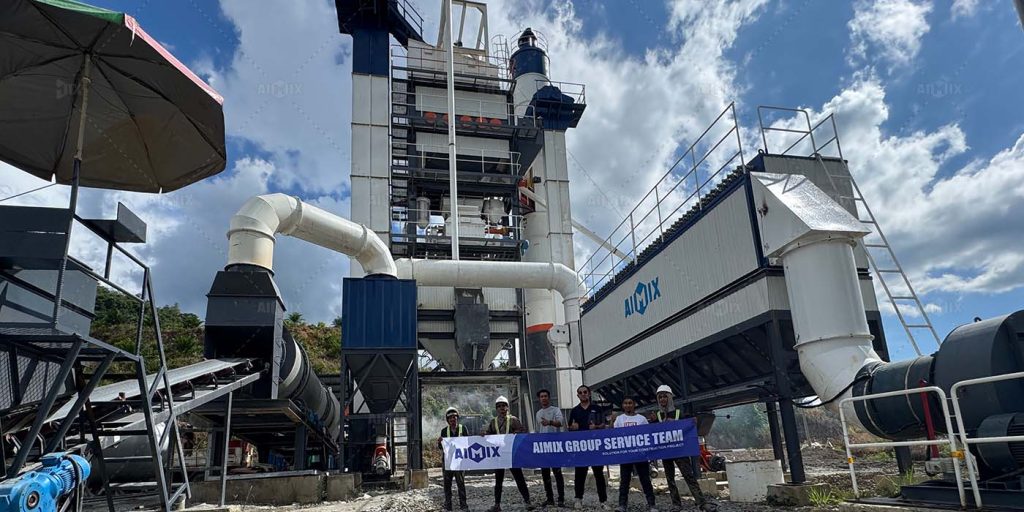
Understanding 120 TPH Asphalt Batch Plant Production
A batch type asphalt plant is designed to produce high-quality hot mix asphalt for medium to large-scale road projects. Typically, such plants can produce around 1,000 to 1,200 tons per day, assuming 8–10 working hours, depending on raw material conditions and operator efficiency.
To evaluate payback, contractors must understand daily output and how it meets project needs. For example, a 50 km highway requiring 50,000 tons of asphalt could be completed faster if the plant consistently runs at full capacity.
Moreover, using a batch plant ensures consistent mix quality, reducing rework costs and avoiding delays. This factor directly impacts financial returns by preventing unnecessary expenses.
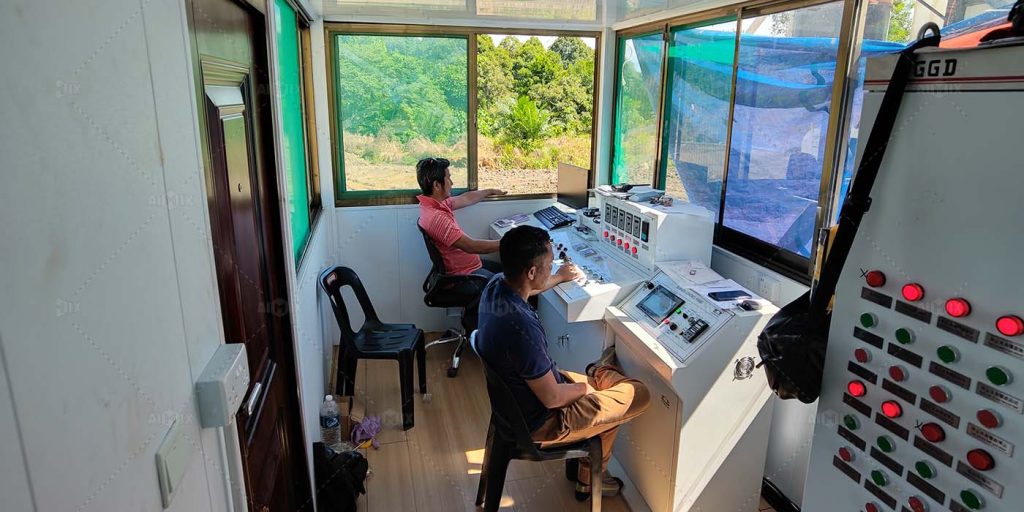
Investment Cost of a 120 TPH Asphalt Batch Plant
The total investment includes the cost of the plant, transportation, installation, and initial working capital. In Indonesia, a 120 TPH asphalt batch plant typically costs between $400,000 and $600,000, depending on brand, configuration, and automation level. You can find detailed pricing at asphalt plant cost.
Additional expenses include:
- Site preparation and foundation: $20,000–$50,000
- Auxiliary equipment such as bitumen tanks and silos: $30,000–$50,000
- Initial labor and training costs: $10,000–$15,000
These costs form the upfront investment that the plant must recover through project earnings.
Operational Costs for a 12-Month Highway Project
Operational costs significantly influence the payback period. Key expenses include:
- Raw materials: Aggregates, bitumen, and filler materials. For a highway project in Indonesia, raw material cost averages $40–$50 per ton of asphalt.
- Fuel and electricity: For heating, drying, and running the plant. Typically $5–$8 per ton.
- Maintenance: Regular maintenance is essential to avoid downtime. Annual maintenance can cost $15,000–$25,000.
- Labor: Skilled operators and technicians. Labor costs vary by region, averaging $2,000–$4,000 per month.
Understanding these costs allows contractors to estimate daily production expenses and calculate potential profit margins accurately.
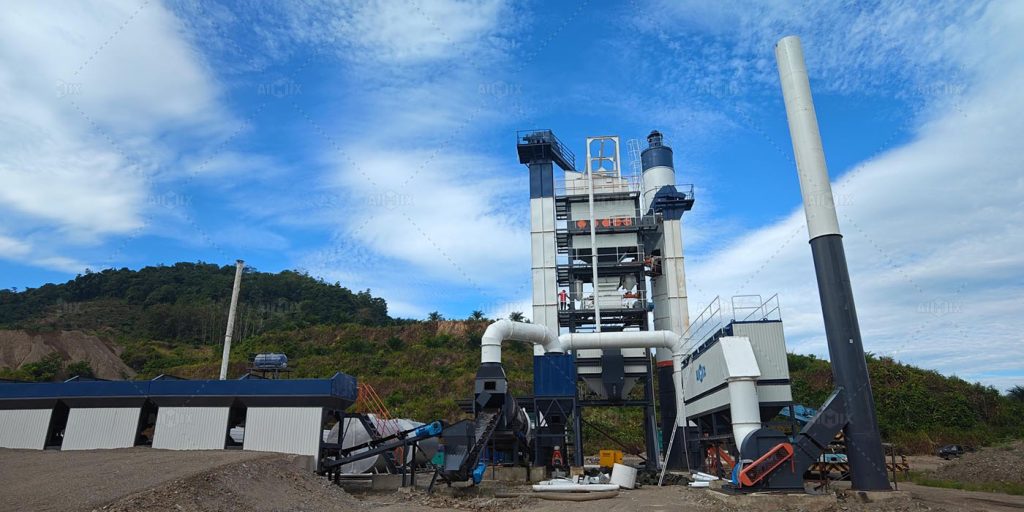
Revenue Potential from a 120 TPH Asphalt Batch Plant
Revenue depends on asphalt selling price and the volume produced. In Indonesia, the average selling price for hot mix asphalt ranges from $60 to $80 per ton, depending on location and project specifications. For a local option, contractors often search for a hot mix plant near me to reduce transport costs.
For instance, if the plant produces 1,000 tons per day at $70 per ton, daily revenue would be approximately $70,000. Subtracting operational costs ($50,000/day including raw materials, fuel, labor, and maintenance) results in a daily net profit of around $20,000.
With consistent production over 200 working days in 12 months, total net profit could reach $4,000,000, clearly surpassing the initial investment.
Calculating Payback Period
To determine the payback period, divide the total investment by daily net profit. Assuming an investment of $500,000 and daily net profit of $20,000:
Payback Period = $500,000 ÷ $20,000/day ≈ 25 days
This calculation shows that, in ideal conditions, a 120 TPH asphalt batch plant can recover its investment in less than a month. Real-world factors such as weather, downtime, and supply delays may extend the payback period to 2–3 months. Even considering uncertainties, the plant remains a cost-effective solution for medium to large highway projects.
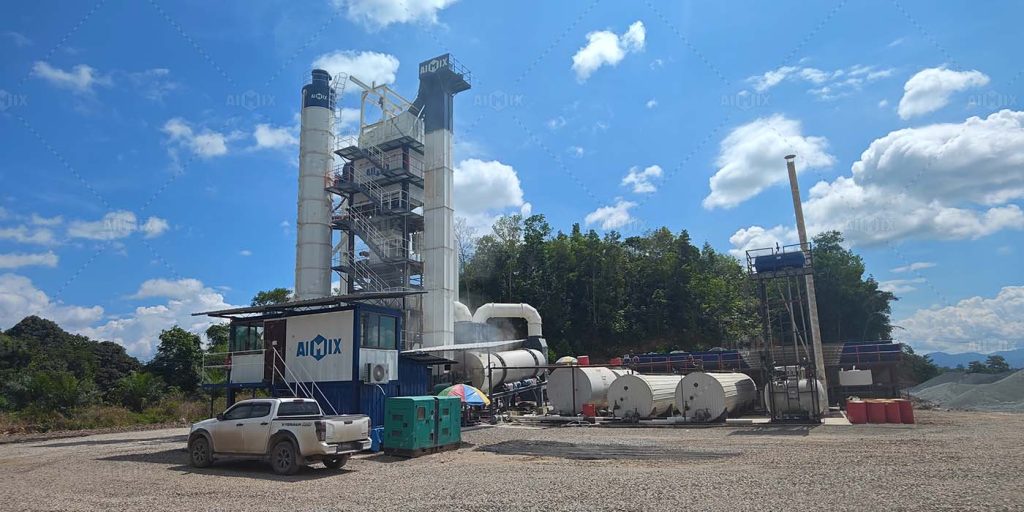
Factors Affecting Payback Speed
Several factors influence how quickly an asphalt batch plant pays back its investment:
- Project scale: Larger projects provide faster amortization of costs.
- Operational efficiency: Well-trained operators and optimized scheduling increase output and reduce waste.
- Material supply chain: Reliable delivery of aggregates and bitumen prevents downtime.
- Maintenance management: Preventive maintenance reduces unexpected repair costs.
Addressing these factors ensures that contractors achieve the projected payback period and maximize profits.
Comparison With Renting Asphalt Mix Services
Many contractors consider renting asphalt from nearby plants instead of investing in their own equipment. Renting may seem convenient, but for a 12-month highway project, costs can accumulate significantly. For example, renting asphalt at $75/ton for 50,000 tons would cost $3,750,000. Owning a 120 TPH plant with operational costs of $50,000/day for 200 days would total $10,000,000 operational costs—but generating revenue simultaneously offsets these costs. Over time, owning the plant provides higher profit potential, greater control over production, and ensures quality consistency.
Practical Tips for Maximizing Return on Investment
Contractors can take several steps to ensure a fast and smooth payback:
- Plan production schedules carefully to minimize idle time.
- Train operators thoroughly to optimize plant performance.
- Secure stable supply contracts for aggregates and bitumen.
- Invest in preventive maintenance to avoid unexpected downtime.
- Monitor market prices to maximize revenue opportunities.
These practices not only accelerate investment recovery but also improve overall project profitability.
Conclusion: Smart Investment for Indonesian Highway Projects
For a 12-month highway construction project in Indonesia, investing in a 120 TPH asphalt batch plant can pay back its cost quickly, often within a few months, while providing high-quality asphalt and consistent production. Contractors benefit from lower long-term costs, better quality control, and increased operational flexibility.
If you aim to reduce reliance on external suppliers, ensure consistent project progress, and maximize profits, a 120 TPH asphalt batch plant represents a strategic investment.
Call to Action
Ready to enhance your highway construction project with reliable asphalt production? Explore high-quality 120 TPH asphalt batch plants designed for Indonesia’s construction conditions. Contact our team today for personalized advice, pricing, and project-specific solutions.